


HOW to help a dog with reactive behaviours on lead

Helping a leash-reactive dog begins with changing how they feel about their triggers. Learn how distance, positive associations and gradual behaviour training can help your dog feel safer and respond more calmly.
WHAT can I do to help manage my leash sensitive dog

Walking a leash-reactive dog can feel overwhelming, but thoughtful management can make outings safer and less stressful. Discover ten practical strategies for creating distance, avoiding triggers and helping your dog remain under threshold.
WHY is my dog aggressive on lead
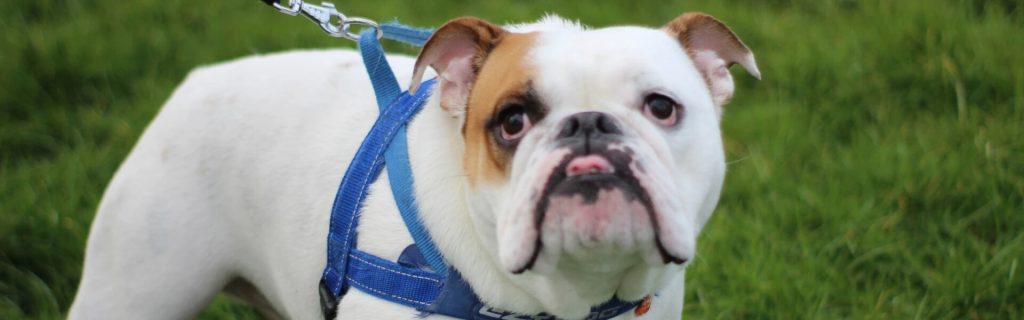
Why does your dog bark, growl or lunge at others while on the lead? Explore how fear, restricted movement, frustration, genetics and past experiences can contribute to leash-reactive behaviour.
The top 7 mistakes when teaching your dog to come

A reliable recall takes more than repeatedly calling your dog’s name. Discover seven common training mistakes that may discourage your dog from returning—and how to make coming back safe, rewarding and worth their while.
Preventing a dog bite at Christmas

Christmas can bring unfamiliar visitors, loud noises and disrupted routines into your pet’s home. Learn how a safe retreat, clear visitor rules and careful attention to body language can help everyone enjoy a calmer celebration.
But I don’t have time to train my dog

Dog training doesn’t need to mean hours of repetitive drills. Discover how simple, everyday moments—mealtimes, walks and relaxing at home—can become valuable opportunities to teach useful real-life behaviours.
How many Greyhounds are killed each year?
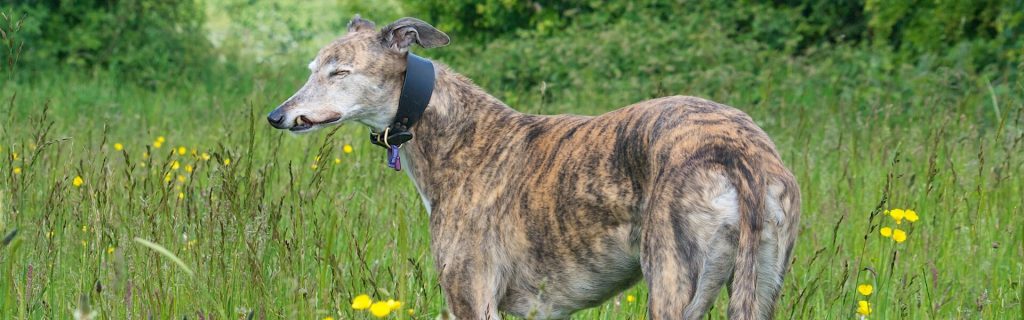
Greyhounds are living, sentient animals—not commodities whose value should depend on speed or profit. Despite stronger regulation and rehoming requirements, serious ethical questions about greyhound racing remain.
My funny cat stories

From a cat causing an electrical emergency to another engineering nightly escapes through the garage, life with animals is never dull. Enjoy three unforgettable—and slightly chaotic—tales from the Dogaholics household.
Loose Lead Walking (Part 2)

Loose-lead walking starts by making it rewarding for your dog to stay close. Follow this gradual, positive training process—from the lounge room to the park—and learn how to build calmer walks without force.
Loose Lead Walking (Part 1)

Dogs don’t pull on the lead because they are dominant or stubborn—pulling simply helps them reach rewarding things faster. Learn why the behaviour develops and what to avoid before beginning loose-lead training.